
Vol 11 No 2 2026-9

The potential of cream formulation containing artichoke waste extract and probiotic as antimicrobial and photoprotective agents.
El potencial de una formulación en crema que contiene extracto de residuos de alcachofa y probióticos como agentes antimicrobianos y fotoprotectores.
Meltem ASAN-OZUSAGLAM1 *1 Ali SAGLAM2 Merve ALAN3, Mehmet COBANOGLU4.
Department of Molecular Biology and Genetics, Faculty of Arts and Sciences, Aksaray University, Aksaray, 68100, Türkiye; meltemozusaglam@gmail.com.
ORCID (https://orcid.org/0000-0002-3638-1306)
*correspondence: meltemozusaglam@gmail.com
Available from. DOI: https://doi.org/10.70373/RB/2026.11.02.9
Abstract
This study investigated the potential of artichoke (Cynara scolymus L.) processing waste as a natural biological resource for pharmaceutical and cosmetic applications. For this purpose, acetone extracts were obtained from artichoke waste under hot (AWAC-H) and cold (AWAC-C) conditions. The antimicrobial activities of the extracts were examined against Staphylococcus aureus, Escherichia coli, Pseudomonas aeruginosa and methicillin-resistant Staphylococcus aureus (MRSA). According to the disc diffusion test results, the inhibition zone diameters for the AWAC-H extract were determined to be in the range of 7.57–12.32 mm, and for the AWAC-C extract, in the range of 9.45–11.64 mm. The minimum inhibitory concentration (MIC) values of the extracts were found to be between 12.5–50 mg/mL, and the minimum bactericidal concentration (MBC) values were between 25–100 mg/mL. The study also evaluated the sun-protective properties of the extracts. Spectrophotometric analyses revealed sun protection factor (SPF) values of 18.81 for AWAC-H and 25.67 for AWAC-C. Furthermore, the SPF and antimicrobial properties of cream formulations prepared using artichoke extracts and the probiotic bacterium Lactobacillus fermentum MA-7 were investigated. The highest SPF value with 24.99 was obtained in the cream formulation containing AWAC-H extract and probiotic. Based on antimicrobial activity test results, higher inhibitory activity was observed in both the extract and probiotic-containing cream groups. The results indicate that the acetone extracts from artichoke processing waste may be evaluated as natural ingredients in pharmaceutical and cosmetic formulations.
Keywords
Artichoke waste; acetone extract; antimicrobial activity; sun protection factor; probiotic; cream formulation
Introduction
Artichoke (Cynara scolymus) is native to the Mediterranean region and is widely used as a food source and as a medicine in traditional medicine [1]. The United Nations Food and Agriculture Organization (FAO) stated that 1.516.955 tons of artichokes were produced worldwide in 2020 [2]. Artichokes are a valuable food source thanks to their significant health benefits, but their production, harvesting, and processing generate a substantial amount of waste, leading to sustainability issues [3]. Crop waste, such as leaves, husks and roots, constitutes a notable amount of organic waste, estimated to be between 2.800 and 3.800 million tons annually [4]. Food processing waste management is becoming a very serious environmental problem today [5]. Agricultural waste of plant origin has significant potential as a biological resource due to the secondary metabolites it contains, namely phenolic compounds, flavonoids and phenolic acids [6.7]. The waste generated during processing can make up to 60% more than the edible portion of the artichoke. This waste is rich in secondary metabolites, therefore evaluating its ecological and economic aspects is important [8]. If the waste is not decomposed or reused, it can cause significant soil and water pollution [9]. These secondary metabolites are attracting considerable interest in cosmetic, pharmaceutical, and biomedical applications due to their antimicrobial and antioxidant effects [10]. Due to these characteristics, plant waste is not only a potential environmental problem, but also a sustainable and low-cost resource [11]. Therefore, artichokes are a noteworthy agricultural product due to both the quantity produced and the large-scale plant waste generated during processing [12].
Ultraviolet (UV) radiation causes oxidative stress in the skin and is a significant environmental factor that can lead to biochemical damage such as photoaging [13]. UV-B rays, particularly those in the 290-320 nm range, cause oxidative damage and DNA mutations in the epidermis, triggering various dermatological problems [14]. However, prolonged exposure to UV-B rays from the sun can be harmful because it can damage DNA, cause sunburns, and significantly increase the risk of skin cancer [15,16]. Additionally, UV-B can weaken the immune system and cause premature aging [17]. Therefore, using topical sunscreens against UV-B rays from the sun protects the skin from photoaging and sunburn, and reduces the possibility of skin cancer [18]. Although synthetic sun filters containing chemicals have been used for many years, they have disadvantages such as loss of photostability, allergenic potential, and environmental toxicity [14]. This situation has necessitated the development of organic and natural sunscreen components. Plant extracts are rich in polyphenols, flavonoids, and tannins, and can provide both chemical and biological protection thanks to their absorbance harmful UV rays and neutralize free radicals [19]. Artichokes contain secondary metabolites such as flavonoids, anthocyanins, pectin, inulin, and vitamins; these components have beneficial effects on various diseases [20]. These secondary metabolites exhibit anti-inflammatory, antimicrobial, antioxidant, and anticarcinogenic properties, as well as photoprotective effects [21-23]. The skin protects the body from external factors and harbors a complex microflora consisting of numerous microorganisms on its surface [24]. When this microflora balance is disrupted, pathogenic microorganisms such as E. coli, S. aureus, Candida species and P. aeruginosa can cause infections [25]. The concerns about the side effects of skincare products have made the exploration of new, natural, chemical-free treatment approaches an urgent need [26]. Various studies have shown that probiotics and their metabolites have a significant effect in the treatment of skin disorders. Therefore, probiotics are a suitable natural option for strengthening the skin microflora [27].
The potential of the extract from the artichoke processing wastes (outer leaves, bracts, and stems) as a natural bioactive compound was aimed to determine in the pharmaceutical and cosmetic areas. Therefore, the antimicrobial potential of the acetone extract (AWAC) from artichoke by-products against various test bacteria was investigated. The sun protection factor (SPF) values of probiotic cream blends containing AWAC-H and AWAC-C have been tested to determine their potential as cheaper and safer alternatives to dangerous chemical substances in sunscreens. The antimicrobial potential of creams containing AWAC and probiotic blends was tested against test bacteria for pharmaceutical purposes.
Materials and methods
Plant Material
Artichoke waste fractions were sourced from a local market in Adana (Türkiye) in July 2025. The plant material consists of outer leaflets, outer leaves, and other inedible parts such as stems unsuitable for consumption.
Preparation of Extract from Artichoke Waste Products
Artichoke waste was washed with distilled water. After drying at room temperature, the artichoke waste was powdered and stored in brown glass bottles in a dry and dark environment until extraction. Two different extraction methods at cold and hot conditions were applied using the dried plant material. Cold acetone extraction was carried out for two days; during this process, the samples were subjected to ultrasonic treatment for 10 minutes and kept at 4°C. The hot acetone extraction method was applied for two days, with extraction in a hot water bath for 6 hours a day. Acetone was used as a solvent in both methods. After the extraction processes, the solvent was evaporated. The acetone artichoke extracts obtained by the cold extraction method was named AWAC-C, and the acetone artichoke extract obtained by the hot extraction method was named AWAC-H. After dissolution with dimethyl sulfoxide (DMSO), the extracts were sterilized using membrane filters (0.45 µm) and then kept at 4°C.
Determination of Antimicrobial Activity
Test microorganisms
In the studies, active cultures of E. coli, MRSA, S. aureus, and P. aeruginosa were grown at 37°C in Nutrient Broth (NB) and agar media. Additionally, L. fermentum, as a probiotic, was cultured at 37°C in Man-Rugose-Sharpe (MRS) medium. Before use in the experiments, the test bacteria were standardized to a 0.5 McFarland standard.
Disc diffusion method
The extracts were evaluated for their antibacterial activity against test microorganisms using the disc diffusion method [35]. Briefly, the extracts were dropped onto sterile disc placed on agar medium inoculated with test bacteria. After incubation, the inhibition zone was measured using a caliper.
Microdilution method
Minimum inhibitory concentrations (MIC) and minimum bactericidal concentrations (MBC) of the extracts was tested using the two-fold microbroth dilution method [36]. Briefly, the extracts were prepared in serial concentrations (100–6.25 mg/mL) using liquid culture medium. The bacterial inoculum was added serially to tubes. After incubation, the extract concentration at which no visible microbial growth was recorded as the MIC. Then, the samples were dropped onto appropriate agar media. After incubation, the concentrations at which no microbial growth on the agar medium were recorded as the MBC value.
Determination of Sun Protection Factor (SPF)
The sun-protective effect of the extract was determined by spectrophotometric method [37]. After dilution with ethanol, the absorbance was obtained by spectrophotometer. The measured values were evaluated in SPF calculation using Mansur equation [34].In addition, the sun-protective effect of artichoke extracts was also analyzed by formulating them together with a probiotic and a commercial cream. SPF values were determined by dissolving the prepared sunscreen formulations at concentrations of 2.5-10.0 mL. The absorbance values of the prepared samples were measured, and the SPF values were calculated using the Mansur equation [34].
Determination of Antimicrobial Activity of the Developed Cream Formulations
Antimicrobial cream groups developed with AWAC and/or L. fermentum were prepared in a commercial cream using methods developed by Handali et al., [39] and Chen et al., [40] with some modifications [41,42]. The antimicrobial activities of the developed cream groups were tested on microorganisms using the well diffusion method. The cream formulations were placed in 6 mm diameter wells with a volume of 100 µL on agar medium inoculated with bacteria [43]. The Petri dishes were incubated at appropriate temperatures. The inhibition zone was measured using a caliper.
Statistical Analysis
The mean and standard deviation (SD) of three separate measurements are given. Analysis of variance was performed using GNU SPSS software. Three-Way analysis of variance (ANOVA) was used to obtain significant differences. Significant differences between means were analyzed using Tukey’s post-hoc test. A p-value < 0.0001 was considered statistically significant.
Results
Antimicrobial Activity
The acetone extracts (AWAC-H and AWAC-C) from artichoke processing waste produced inhibitory activity on all tested microorganisms (Table 1). The inhibition zones formed by the AWAC-H extract ranged from 7.57 mm (MRSA) to 12.32 mm (S. aureus). The inhibition zones of the AWAC-C extract were determined to be between 9.45 mm (E. coli) and 11.64 mm (S. aureus). The disc diffusion test results show that the acetone extracts obtained from artichoke waste can inhibit both Gram (+) and Gram (–) bacteria. Statistical analysis based on letter grouping revealed that the inhibition zone diameters differed significantly both among the tested microorganisms and between the extracts (*p<0.0001). Overall, the AWAC-H extract showed higher inhibition activity on some tested microorganisms.
Table 1. The results of disc diffusion method
| Microorganisms | Zone Diameter of Inhibition (mm±SD) | |||
| AWAC-H | AWAC-C | P | AM | |
| E.coli O157:H7 | 10.11±0.55a1 | 9.45±0.39a1 | 17.8±0.11a2 | 19.72±1.18a3 |
| P. aeruginosa ATCC 27853 | 9.55±0.54ab1 | 10.21±0.80a1 | 18.44±0.37a2 | 23.65±1.13b3 |
| S. aureus ATCC 25923 | 12.32±0.66c1 | 11.64±1.36a2 | 21.41±0.53b3 | 23.85±0.76b4 |
| MRSA ATCC 43300 | 7.57±1.33b1 | 9.92±0.23a1 | 8.59±0.34c1 | 0±0c2 |
Column Factor values are lettered and Row Factor values are numbered to express statistical significance (p<0.0001, Three-Way ANOVA). For artichoke extracts, F(3,16) = 6.673 (rows) and F(3,16) = 12.70 (columns)
b AWAC-H: Artichoke hot acetone extracts, AWAC-C: Artichoke cold acetone extracts
c P: Penicillin (10 µg/disc), AM: Ampicillin (10 µg/disc)
The MIC and MBC values of the extracts against the tested microorganisms were found to be between 12.5-50 mg/mL and 25-100 mg/mL, respectively (Table 2).
Table 2. Micro-dilution test results of the artichoke extracts
| Microorganisms | AWAC-H (mg/mL) | AWAC-C (mg/mL) | ||
| MIC | MBC | MIC | MBC | |
| E. coli O157:H7 | 25 | 50 | 50 | 100 |
| P. aeraginosa ATCC 27853 | 12.5 | 25 | 25 | 100 |
| S.aureus ATCC 25923 | 12.5 | 25 | 25 | 50 |
| MRSA ATCC 43300 | 12.5 | 25 | 25 | 25 |
a AWAC-H: Artichoke hot acetone extracts, AWAC-C: Artichoke cold acetone extracts
The Sun Protection Activity
The sun protection factor (SPF) of AWAC-H and AWAC-C extracts was determined in vitro using a spectrophotometric method. According to the results obtained, the SPF of the AWAC-C extract was obtained as 25.67, and the SPF value of the AWAC-H extract was determined as 18.81 (Figure 1).
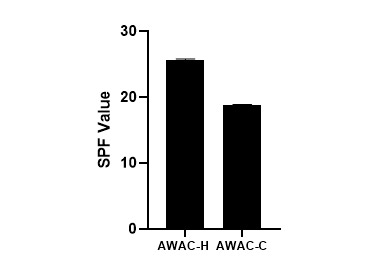
Figure 1. SPF values of the artichoke extracts
a AWAC-H: Artichoke hot acetone extracts, AWAC-C: Artichoke cold acetone extracts
At a concentration of 10 mL, the SPF values were determined as 23.96 in cream formulations containing AWAC-H extract (CE) and 24.99 in cream formulations containing AWAC-H + Probiotic (CEP), respectively. The SPF values were determined as 6.96 in cream formulations containing AWAC-C extract (CE) and 19.39 in cream formulations containing AWAC-H + Probiotic (CEP). SPF values were found to be quite low in the control cream group (C) (0.36-0.81-4.7) but showed a limited increase in the probiotic-containing cream formulations (CP) (0.69-1.36-7.34) (Figure 2).
Higher SPF values were obtained in cream formulations where both extract and probiotic were used together. Specifically, the formulation containing AWAC-H extract and probiotics was found to achieve an SPF value of 24.99. These results indicate that the addition of artichoke extracts to the cream base enhances the photoprotective activities of the formulation. Statistical analyses revealed significant differences in SPF values among the cream formulations (****p < 0.0001). Furthermore, the formulations containing extracts showed significantly higher SPF values compared to the control group (****p < 0.0001).
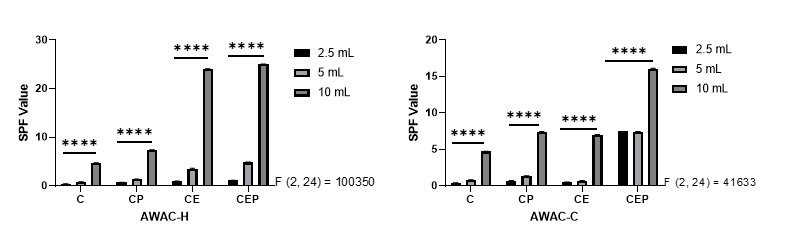 Figure 2. SPF values of cream formulations containing artichoke acetone extracts and probiotic bacteria at different volumes (2.5, 5 and 10 mL).
a C: control cream, CP: cream + probiotic, CE: cream + extract, CEP: cream + extract + probiotic.
Antimicrobial activity of the developed cream formulations
The antimicrobial activities of the developed cream prepared using the artichoke acetone extracts and the probiotic bacterium L. fermentum were investigated on test microorganisms. The cream group (C), which did not contain extract or probiotics, showed no inhibition on E. coli, but exhibited low inhibition zones compared to other test groups. The cream containing only probiotic bacteria (CP) showed low antimicrobial activity on E.coli and MRSA. The cream formulations containing artichoke acetone extract (CE) produced higher inhibition zones compared to the control and probiotic groups. However, the cream formulations containing both artichoke extract and probiotic bacteria (CEP) showed higher antibacterial effect against all tested bacteria. In the cream containing hot acetone extract (AWAC-H), the highest two inhibition zones were determined to be 22.53 mm on S. aureus and 21.37 mm on E. coli. In the cream containing cold acetone extract (AWAC-C), the highest inhibition zone from CEP group was measured as 24.38 mm on S. aureus (Tables 3). Overall, the cream formulations containing both extract and probiotic showed a broader spectrum of antimicrobial activity.
| Microorganisms | AWAC Inhibition Zone Diameter (mm±SD) | |||||
| C | CP | CE | CEP | |||
| AWAC-H | AWAC-C | AWAC-H | AWAC-C | |||
| E.coli O157:H7 | 0a1 | 8.54±1.52a2 | 10.12±0.82a2 | 11.68±0,95a3 | 21.37±1.26a3 | 17.72±0.94a4 |
| P.aeraginosa ATCC 27853 | 5.10±1.0b1 | 11.64±1.21b2 | 15.19±1.09b3 | 15.28±0,77b3 | 18.22±1.83b4 | 19.11±1.70ab4 |
| S. aureus ATCC 25923 | 7.32±1.03bc1 | 16.10±1.62c2 | 14.44±0.78c2 | 11.62±1.23ac3 | 22.53±2.08ac3 | 24.38±1.09c4 |
| MRSA ATCC 43300 | 3.58±0.42bd1 | 5.5±0.52d12 | 12.85±2.33ad2 | 11.82±1.04ac3 | 20.35±0.20abcd3 | 20.89±0.32bd4 |
a Column factor values are lettered and row factor values are numbered to express statistical significance (p < 0.0001, Three-Way ANOVA). For cream formulations containing artichoke extracts, AWAC-H, F (3.16)= 12.70, for AWAC-C, F (13.16)= 6.673
b AWAC-H: Artichoke hot acetone extract and AWAC-C: Artichoke cold acetone extract.
c C: control cream, CP: cream + probiotic, CE: cream + extract, CEP: cream + extract + probiotic.
Discussion
In this study, the antimicrobial activity of artichoke waste extracts was determined on test microorganisms as a first step. The hot acetone extract (AWAC-H) generally produced larger inhibition zone diameters compared to the cold acetone extract (AWAC-C). This suggests that extraction conditions may affect the biological activity of the extracts (Table 1). Zhu et al., [28] reported that the artichoke leaf extracts formed good inhibition zones against E. coli, P. aeruginosa and S. aureus. Their study emphasized that the observed antimicrobial activity was related to the phenolic compound content of the extracts.
Artichokes and their waste products have been reported in previous studies to be rich in flavonoids, phenolic compounds, and these compounds may contribute to antimicrobial activity [20,21]. Phenolic substances present antimicrobial effects against microorganisms using some mechanisms such as altering cell membrane permeability, suppressing enzymatic activities, and influencing cellular metabolic processes [10]. Therefore, it is thought that the antimicrobial activity observed in AWAC-H and AWAC-C extracts may be related to the phenolic compounds found in artichoke by-products.
Results obtained using the microdilution method showed that the acetone extracts from artichoke waste showed various MIC and MBC values on the tested microorganisms (Table 2). The lower MIC values indicate that the extracts can suppress microorganism growth at lower concentrations. A study determined that Ramalina fastigiata has an MIC value of 312 μg/mL against the S. epidermidis strain and 156 μg/mL against the E. coli strain [29]. It is thought that the MIC and MBC values determined in AWAC-H and AWAC-C extracts in this study may be related to the biological activity of phenolic compounds found in artichoke waste.
Findings obtained from disc diffusion and microdilution methods indicated that the artichoke acetone extracts have an inhibitory effect on both Gram + and Gram − bacteria. Based on the results, AWAC-H and AWAC-C extracts have potential in terms of naturally derived antimicrobial compounds and can be evaluated in cosmetic and pharmaceutical applications.
It is known that prolonged exposure to sunlight can lead to various dermatological problems such as skin aging, photodermatosis, and skin cancer [16]. Therefore, plant extracts containing natural compounds that can absorb UV rays have become an important research area in the development of sun protection products [19]. The photoprotective effects of plant extracts are generally associated with the UV absorption properties of some compounds such as flavonoids, phenolic acids, and polyphenols [30]. Artichoke plants are reported to be rich in chlorogenic acid, dicaffeoylquinic acid derivatives, and flavonoids [31,32]. Therefore, it is thought that the UV absorption capacity of artichoke extracts may have an effect on the obtained SPF values.
In terms of UV-B protection, an SPF of 15 provides approximately 93.3% protection, while an SPF of 30 provides approximately 96.7% protection [33]. These results show that the extraction method may affect the photoprotective properties of the extracts. There is a direct relationship between SPF value and UV-B protection, and increasing the SPF value also increases the level of protection against UV-B rays [34]. In this context, the SPF value determined in the AWAC-C extract in particular suggests that the acetone extracts obtained from artichoke waste could be an alternative to synthetic UV filters and provide sun protection.
The findings indicate that the acetone artichoke extracts can contribute to the UV-B absorption capacity of cream formulations. A significant increase in SPF values was obtained when the extracts were added to the cream base, and this effect was further enhanced in some formulations when used in combination with probiotic bacteria. The higher SPF values obtained, particularly in the cream groups containing both extract and probiotic, suggest that these components may contribute to the photoprotective properties of the formulation. These results indicate that the cream formulations using extracts from artichoke waste and probiotic bacteria together may be evaluated for the development of natural sun protection products.
Several studies have reported that artichoke plants are rich in phenolic compounds, and that these compounds can contribute to antimicrobial activity [20,21]. It is known that plant-derived extracts can exert inhibitory effects on microorganisms through mechanisms such as disrupting cell membrane integrity, affecting enzymatic activities, and suppressing metabolic processes [10]. Therefore, the use of plant extracts in different formulation systems has become a noteworthy research topic in recent years in the pharmaceutical and cosmetic areas.
The use of plant extracts in various carrier systems or formulations is important both for increasing antimicrobial efficacy and improving the functional properties of the products. The results obtained in this study show that the acetone extracts and probiotic bacteria obtained from artichoke waste can exert inhibitory effects on the tested pathogenic microorganisms when used in cream formulations. This suggests that artichoke waste may be a valuable resource in terms of naturally occurring antimicrobial compounds.
Conclusions
The AWAC-H and AWAC-C extracts exhibited good antimicrobial activity against E. coli, P. aeruginosa, S. aureus, and MRSA. The fact that the AWAC-C extract showed a higher SPF value than the AWAC-H extract suggests that the difference in extraction method may affect the bioactive compounds. This suggests that the extracts obtained from artichoke waste may be a natural source contributing to the absorption of UV-B rays. Also, higher inhibition zones were obtained in the cream groups containing the extract and the probiotic strain. This indicates that the combined use of plant extract and probiotic bacteria can enhance the antimicrobial effect. In conclusion, AWAC-H and AWAC-C extracts obtained from artichoke waste were found to possess antimicrobial and photoprotective properties. Furthermore, the use of these extracts in the cream formulations containing probiotic strain shows that they may be potential candidates for the development of natural pharmaceutical and cosmetic products. This study demonstrates that the artichoke waste may be use as a source of biologically valuable substances in pharmaceutical and cosmetic, as well as offering a solution to environmental problems caused by waste accumulation.
Supplementary Materials: The following are available online at www.revistabionatura.com/xxx/s1, Figure S1: title, Table S1: title, Video S1: title.
Author Contributions:
Concept – A.O.M.; Design – A.O.M., A.S.; Supervision – A.O.M.; Resources – A.O.M..; Materials – A.O.M.; Data Collection and/or Processing – A.O.M., A.S., M.A., M.C.; Analysis and/or Interpretation – A.O.M., A.S.; Literature Search – A.O.M., A.S., M.A., M.C.; Writing – A.O.M., A.S., M.A., M.C.; Critical Reviews – A.O.M., A.S.
Funding: This research received no external funding.
Conflicts of Interest: The authors declare no conflict of interest.
References
- Quiroz D. Cynara cardunculus (Cardoon). CABI Compendium. 2022. doi:10.1079/cabicompendium.17584
- Food and Agriculture Organization. FAOSTAT: Crops and livestock products. 2020. Available from: https://www.fao.org/faostat/en/#data/QCL (accessed 7 Feb 2024).
- Alves-Silva JM, Zuzarte M, Salgueiro L, Cocco E, Ghiani V, Falconieri D, et al. Agroprospecting of biowastes: Globe artichoke (Cynara scolymus L. Cultivar tema, Asteraceae) as potential source of bioactive compounds. Molecules. 2024;29(16):3960. doi:10.3390/molecules29163960
- Zabed H, Sahu JN, Boyce AN, Faruq G. Fuel ethanol production from lignocellulosic biomass: an overview on feedstocks and technological approaches. Renew Sustain Energy Rev. 2016;66:751-774. doi:10.1016/j.rser.2016.08.038
- Gonçalves MLM, Maximo GJ. Circular economy in the food chain: production, processing and waste management. Circ Econ Sustain. 2023;3(3):1405-1423. doi:10.1007/s43615-022-00243-0
- Saady NMC, Hernández AV, Flores Servin KL, Rodriguez JZ, Haque MA, Owusu MK, et al. Valorization of agro-food plant wastes: Bioactive compound profiles and biotechnological potential of twenty crops. Recycling. 2026;11(1):7. doi:10.3390/recycling11010007
- Fernandes F, Delerue-Matos C, Grosso C. Unveiling the potential of agrifood by-products: A comprehensive review of phytochemicals, bioactivities and industrial applications. Waste Biomass Valorization. 2025;16(6):2715-2748. doi:10.1007/s12649-024-02622-0
- Sagar NA, Pareek S, Sharma S, Yahia EM, Lobo MG. Fruit and vegetable waste: Bioactive compounds, their extraction, and possible utilization. Compr Rev Food Sci Food Saf. 2018;17(3):512-531. doi:10.1111/1541-4337.12330
- Koul B, Yakoob M, Shah MP. Agricultural waste management strategies for environmental sustainability. Environ Res. 2022;206:112285. doi:10.1016/j.envres.2021.112285
- Deshmukh RK, Gaikwad KK. Natural antimicrobial and antioxidant compounds for active food packaging applications. Biomass Convers Biorefin. 2024;14(4):4419-4440. doi:10.1007/s13399-022-02623-w
- Chakrapani G, Zare M, Ramakrishna S. Biomaterials from the value-added food wastes. Bioresour Technol Rep. 2022;19:101181. doi:10.1016/j.biteb.2022.101181
- Tortosa-Diaz L, Saura-Martinez J, Taboada-Rodriguez A, Martinez-Hernandez GB, Lopez-Gomez A, Marin-Iniesta F. Influence of industrial processing of artichoke and by-products on the bioactive and nutritional compounds. Food Eng Rev. 2025;17(2):384-407. doi:10.1007/s12393-024-09391-5
- Mishra AK, Mishra A, Chattopadhyay P. Assessment of sun protection factor of some plant oils used in cosmetics. Pharmacogn Res. 2011;3(1):22-25. doi:10.4103/0974-8490.79192
- Serpone N, Salinaro A, Emeline AV. In vitro testing of sunscreening agents: an update for the new millennium. Photochem Photobiol. 2007;83(3):450-471. doi:10.1562/2006-06-16-IR-935
- Lan CCE, Hung YT, Fang AH, Ching-Shuang W. Effects of irradiance on UVA-induced skin aging. J Dermatol Sci. 2019;94(1):220-228. doi:10.1016/j.jdermsci.2019.03.005
- Gromkowska-Kępka KJ, Puścion-Jakubik A, Markiewicz-Żukowska R, Socha K. The impact of ultraviolet radiation on skin photoaging—review of in vitro studies. J Cosmet Dermatol. 2021;20(11):3427-3431. doi:10.1111/jocd.14033
- Hart PH, Norval M. More than effects in skin: ultraviolet radiation-induced changes in immune cells in human blood. Front Immunol. 2021;12:694086.
- Perugini P, Bonetti M, Cozzi AC, Colombo GL. Topical sunscreen application preventing skin cancer: systematic review. Cosmetics. 2019;6(3):42. doi:10.3390/cosmetics6030042
- Kaur CD, Saraf S. In vitro sun protection factor determination of herbal oils used in cosmetics. Pharmacogn Res. 2010;2(1):22-25. doi:10.4103/0974-8490.60586
- Rotondo R, Cruz PS, Masin M, Bürgi M, Girardini J, García SM, et al. Artichoke extracts with potential application in chemoprevention and inflammatory processes. Braz J Pharm Sci. 2022;58:e19238. doi:10.1590/s2175-97902022e19238
- Shallan MA, Ali MA, Meshrf WA, Marrez DA. In vitro antimicrobial, antioxidant and anticancer activities of globe artichoke extracts. Biocatal Agric Biotechnol. 2020;29:101774. doi:10.1016/j.bcab.2020.101774
- Hassabou NF, Farag AF. Anticancer effects induced by artichoke extract in oral squamous carcinoma cell lines. J Egypt Natl Canc Inst. 2020;32(1):17. doi:10.1186/s43046-020-00026-4
- Salekzamani S, Ebrahimi-Mameghani M, Rezazadeh K. The antioxidant activity of artichoke: a systematic review and meta-analysis. Phytother Res. 2019;33(1):55-71. doi:10.1002/ptr.6213
- Byrd AL, Belkaid Y, Segre JA. The human skin microbiome. Nat Rev Microbiol. 2018;16(3):143-155. doi:10.1038/nrmicro.2017.157
- Tong SY, Davis JS, Eichenberger E, Holland TL, Fowler VG Jr. Staphylococcus aureus infections. Clin Microbiol Rev. 2015;28(3):603-661. doi:10.1128/cmr.00134-14
- De Pessemier B, Grine L, Debaere M, Maes A, Paetzold B, Callewaert C. Gut–skin axis. Microorganisms. 2021;9(2):353. doi:10.3390/microorganisms9020353
- Godlewska U, Brzoza P, Kwiecień K, Kwitniewski M, Cichy J. Metagenomic studies in inflammatory skin diseases. Curr Microbiol. 2020;77(11):3201-3212. doi:10.1007/s00284-020-02163-4
- Zhu X, Zhang H, Lo R. Phenolic compounds from artichoke leaf extract and antimicrobial activity. J Agric Food Chem. 2004;52(24):7272-7278. doi:10.1021/jf0490192
- Erkan T, Şenkardeşler A, Taşkın T, et al. Antioxidant, antiproliferative and antimicrobial activities of lichens. J Res Pharm. 2026;30(2):576-582. doi:10.12991/jrespharm.1719240
- Oelschlaeger TA. Mechanisms of probiotic actions. Int J Med Microbiol. 2010;300(1):57-62. doi:10.1016/j.ijmm.2009.08.005
- Schütz K, Kammerer D, Carle R, Schieber A. Identification of flavonoids in artichoke. J Agric Food Chem. 2004;52(13):4090-4096. doi:10.1021/jf049625x
- Slobodníková L, Fialová S, Rendeková K, Kováč J, Mučaji P. Antibiofilm activity of plant polyphenols. Molecules. 2016;21(12):1717. doi:10.3390/molecules21121717
- Wilson BD. Ultraviolet radiation and sunscreens. Int J Dermatol. 2012;41(Suppl 1):8-14.
- Mansur JS, Breder MNR, Mansur MCA, Azulay RD. Determination of SPF by spectrophotometry. An Bras Dermatol. 1986;61:121-124.
- Wulanjati MP, Indrianingsih AW, Darsih C, Apriyana W. Antioxidant and antibacterial activity of Ulva sp. extract. IOP Conf Ser Earth Environ Sci. 2020;462:012028. doi:10.1088/1755-1315/462/1/012028
- Miletić M, Ivanov M, Topalović A, Gavrilović M, Gašić U, Janaćković P. Phenolic constituents and antimicrobial activity. Bot Serb. 2023;47:93-101. doi:10.2298/BOTSERB2301093M
- Sutar MP, Chaudhari SR. Screening of SPF of medicinal plant extracts. J Appl Biol Biotechnol. 2020. doi:10.7324/JABB.2020.80608
- Sayre RM, Agin PP, LeVee GJ, Marlowe E. In vivo and in vitro sunscreen testing. Photochem Photobiol. 1979;29:559-566. doi:10.1111/j.1751-1097.1979.tb07090.x
- Handali S, Hosseini H, Ameri A, Moghimipour E. Antibacterial cream formulation. Jundishapur J Microbiol. 2011;4(4):255-260
- Chen MX, Alexander KS, Baki G. Antibacterial creams with metal ions. J Pharm. 2016;2016:5754349. doi:10.1155/2016/5754349
- Saglam A, Asan-Ozusaglam M. Development of a natural cream additive. Hung J Ind Chem. 2025;53(1):17-25. doi:10.33927/hjic-2025-03
- Asan-Ozusaglam M, C. Irem. White pitahaya as a cosmetic additive. Foods Raw Mater. 2023;11(1):57-63. doi:10.21603/2308-4057-2023-1-522
- Ofori-Kwakye K, Kwapong AA, Adu F. Antimicrobial activity of topical plant products. Afr J Tradit Complement Altern Med. 2009;6(2):168. doi:10.4314/ajtcam.v6i2.57089
Received: [06 mayo 2026] Accepted: [14 julio 2026] Published: [15 septiembre 2026]
Citation: Asan-Ozusaglam, M; Saglam, A; Alan, M; Cobanoglu, M. The potential of cream formulation containing artichoke waste extract and probiotic as antimicrobial and photoprotective agents Bionatura. 2026. Volumen 11, No 2. https://doi.org/10.70373/RB/2026.11.02.9
Peer review information: Bionatura thanks the anonymous reviewers for their contribution to the peer review of this work using https://reviewerlocator.webofscience.com/
All articles published by Bionatura Journal are freely and permanently accessible online immediately after publication, without subscription charges or registration barriers.
Publisher’s Note: Bionatura stays neutral concerning jurisdictional claims in published maps and institutional affiliations.
Copyright: © 2026 by the authors. Submitted for possible open access publication under the terms and conditions of the Creative Commons Attribution (CC BY) license (https://creativecommons.org/licenses/by/4.0/)
Vol11 No2 2026
INDEXADA EN















INDEXADA EN